How to Choose the Right Thermal Sealing Machine for Your Needs?
Choosing the right thermal sealing machine is crucial for various applications. With so many options available, it can be overwhelming. Each machine offers different features and capabilities. Understanding these can enhance productivity and quality.
When evaluating thermal sealing machines, consider your specific requirements. Think about the materials you use. Different machines cater to various materials, such as plastic films or paper. Select one that aligns with your needs to avoid wasting time and resources.
Quality matters. A reliable thermal sealing machine ensures product integrity and reduces waste. Look for machines with a good reputation. User reviews and expert recommendations help gauge reliability. Ultimately, making a thoughtful choice leads to better outcomes in your operations.
Understanding the Basics of Thermal Sealing Machines
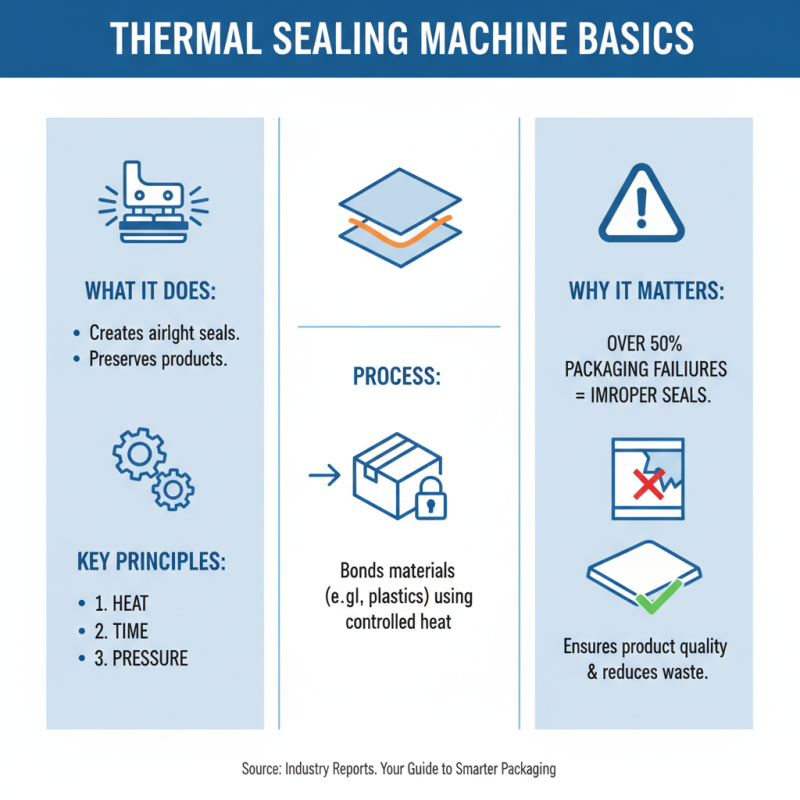
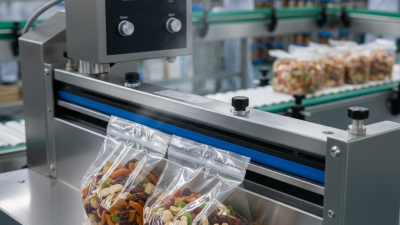
Thermal sealing machines are essential tools for various industries. They create airtight seals to preserve products. Understanding their basics can significantly affect your selection process. These machines utilize heat to bond materials together, primarily plastics. The sealing process involves controlled temperature, time, and pressure. According to industry reports, over 50% of packaging failures are due to improper seals.
Different types of thermal sealing machines exist, including impulse and continuous machines. Impulse sealers generate heat only when needed, making them energy-efficient. In contrast, continuous sealers operate steadily, suitable for high-volume production. The choice depends on your production needs and the type of materials being sealed. Research indicates that the right machine can enhance productivity by up to 30%, but improper selection can negatively impact efficiency.
When choosing a machine, consider factors like seal width and speed. A wider seal provides a stronger hold, but may also raise costs. Speeds vary widely, so assess your workflow's demands. There are many options available, making it easy to feel overwhelmed. Evaluating your specific requirements is crucial. If mistakes are made, it can lead to increased waste and reduced customer satisfaction. Always reflect on what works best for your particular scenario.
Identifying Your Specific Packaging Requirements
When choosing a thermal sealing machine, understanding your specific packaging requirements is crucial. Start by analyzing the type of products you need to seal. Are they delicate items or sturdy packages? This will greatly influence the machine's design and functionality. For example, fragile products may require a gentler sealing approach, while heavier items need robust machinery.
Next, consider the production volume. High output demands a quicker, automated sealing option. However, if your operations are small scale, a manual machine might suffice. Reflect on space constraints too. Machines come in various sizes, and you need one that fits your workspace without overcrowding.
The learning curve is another factor. Some machines require technical skills to operate while others are user-friendly. Investing time in training is essential.
Also, think about the materials you will use for packaging. Different films or pouches demand specific sealing techniques. If you frequently change materials, adaptability becomes necessary. It's important to recognize that finding the perfect machine may take trial and error. Analyzing past sealing frustrations will help you make a more informed choice in the future. Ensuring the right fit is not always straightforward; you may need to revisit your options as your needs evolve.
Evaluating Different Types of Thermal Sealing Machines
When evaluating different types of thermal sealing machines, it's vital to understand their specific applications. These machines are divided into several categories: impulse sealers, constant heat sealers, and band sealers. Impulse sealers are often favored for lower volume production. They rely on short heating cycles, reducing energy consumption. In contrast, constant heat sealers provide continuous sealing, making them suitable for high-speed operations.
Research from industry reports shows that impulse sealers can achieve sealing efficiency of 60-70%, while band sealers excel with 80-90% efficiency. Choosing the right type hinges on production speed and material compatibility. For example, constant heat models work best with thicker materials, ensuring durability. However, they may not be ideal for delicate items due to heat sensitivity.
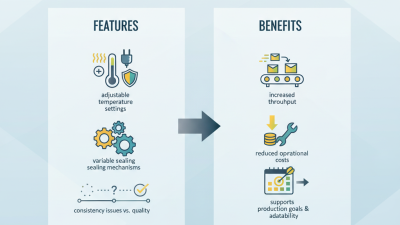
It's also crucial to consider features such as adjustable temperature controls. Machines with these controls allow for versatility in sealing various materials. Users often overlook the maintenance requirements and wear over time. Regular inspections can help identify potential issues and prolong the lifespan of the machine. While choosing the right thermal sealing machine involves understanding these factors, many users still encounter challenges in balancing cost, efficiency, and application needs.
Key Features to Consider When Choosing a Machine
When choosing a thermal sealing machine, several key features are essential. First, consider the sealing width. A standard width ranges from 12 to 24 inches. A machine with a wider sealing area can accommodate larger packaging. This aspect is especially crucial for industries with diverse product sizes.
Next, examine the temperature control. Precise temperature regulation affects the sealing quality. A machine with adjustable temperature settings allows for flexibility across various materials. According to a report by Packaging Strategies, inaccurate temperature can lead to a 15-20% increase in product spoilage in the food industry.
Lastly, think about the machine’s sealing speed. Higher speed machines can improve overall efficiency, potentially reducing labor costs. However, faster does not always mean better. An overly rapid sealing process might compromise the integrity of the seal, resulting in leaks. It's vital to strike a balance between speed and quality to ensure packaging meets industry standards.
How to Choose the Right Thermal Sealing Machine for Your Needs?
| Feature |
Description |
Importance Rating (1-5) |
| Sealing Method |
Choice between impulse, continuous, or vacuum sealing based on the product type. |
5 |
| Sealing Width |
Determines the size of the packages that can be sealed; varies from small to large. |
4 |
| Temperature Control |
Adjustable heat settings for different materials to ensure optimal sealing. |
5 |
| Durability |
Built with quality materials to withstand frequent use without breakdowns. |
4 |
| Speed |
Sealing speed affects production efficiency; important for high-volume applications. |
5 |
| Portability |
Weight and design that allow easy movement for varied workspaces. |
3 |
| Safety Features |
Includes automatic shut-off, protective covers, etc., to enhance operator safety. |
5 |
Budgeting for Your Thermal Sealing Equipment Needs
When budgeting for thermal sealing equipment, start by assessing your production needs. Understand how many packages you seal daily. This will influence the machine type you select. An entry-level machine may suffice for low-volume operations. However, a high-capacity model is necessary for larger businesses.
Consider not just the equipment cost. Factor in operational expenses like energy consumption and maintenance. Over time, these costs can add up. A more reliable machine may have a higher price tag but can save you money long-term. Research is key. Review user feedback and industry insights to make an informed choice.
Finally, don't overlook future needs. Will your production volume increase? Will product sizes change? Adjust your budget to accommodate these potential shifts. Investing wisely now can prevent costly upgrades later. Remember, the right thermal sealing machine should fit seamlessly into your budget without compromising quality.