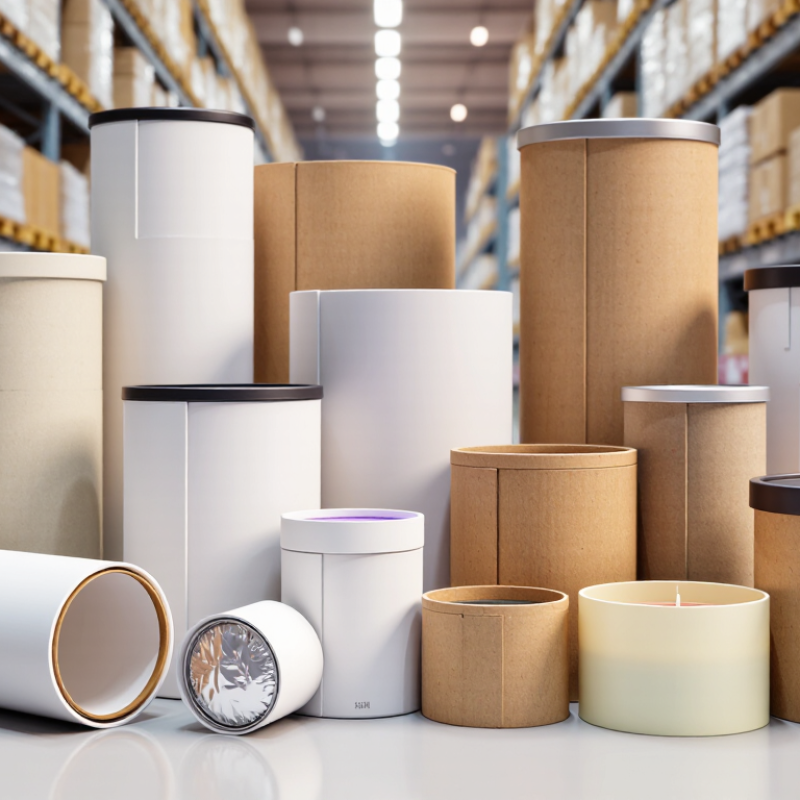
Choosing the right paper cylinders starts with the total cost, not the quoted unit price. Calculate the cylinder price, tooling, printing, sealing, freight, storage, and inspection fees. Then divide the complete amount by the usable units received. This figure is your real cost per cylinder.
Minimum orders can quietly increase expenses. Compare the supplier’s minimum quantity with your monthly demand and available storage. For example, ordering 10,000 cylinders may reduce the unit price, but unused stock can occupy shelves for months. Add storage charges, cash flow pressure, and possible design changes. I once focused too heavily on the lower price and overlooked damaged cartons during transport. The “saving” became difficult to defend.
Environmental impact needs measurable details. Ask for the paper’s recycled content, material weight, adhesive type, production location, and disposal guidance. A lighter cylinder may reduce transport emissions, but it might require extra layers or produce more damaged units. Request evidence instead of accepting broad claims. Compare estimated emissions across production, delivery, use, and disposal stages. Also examine whether your local recycling system accepts the complete cylinder, including its inner components. The calculation may feel imperfect. That is normal. Record your assumptions, update them with supplier data, and choose the option that balances cost, performance, order quantity, and verified environmental information.