How to Choose the Best Industrial Heat Sealing Machine?
Choosing the right industrial heat sealing machine can significantly impact your production efficiency and product quality. A recent industry report by MarketsandMarkets highlights that the global market for heat sealing machines is projected to reach $8.2 billion by 2026. Factors driving this growth include advancements in technology and rising demand for automation in manufacturing processes.
Industry expert Dr. Emily C. Roberson states, "Selecting a suitable industrial heat sealing machine can enhance operational efficiency and reduce waste." This insight underscores the importance of making an informed decision.
When assessing machines, consider their specifications, applications, and reliability. It’s essential to balance cost and quality. Many companies rush into purchasing decisions, only to realize later that the machine does not meet their unique needs, leading to costly modifications and downtime. Evaluating your requirements and seeking expert advice can prevent these common pitfalls in the selection process.
Types of Industrial Heat Sealing Machines and Their Applications
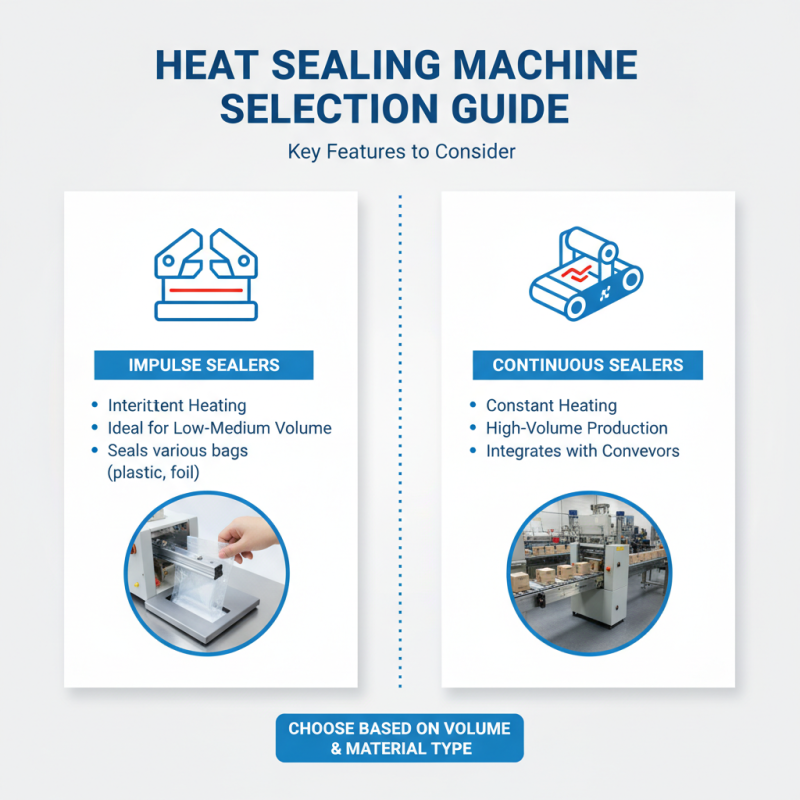
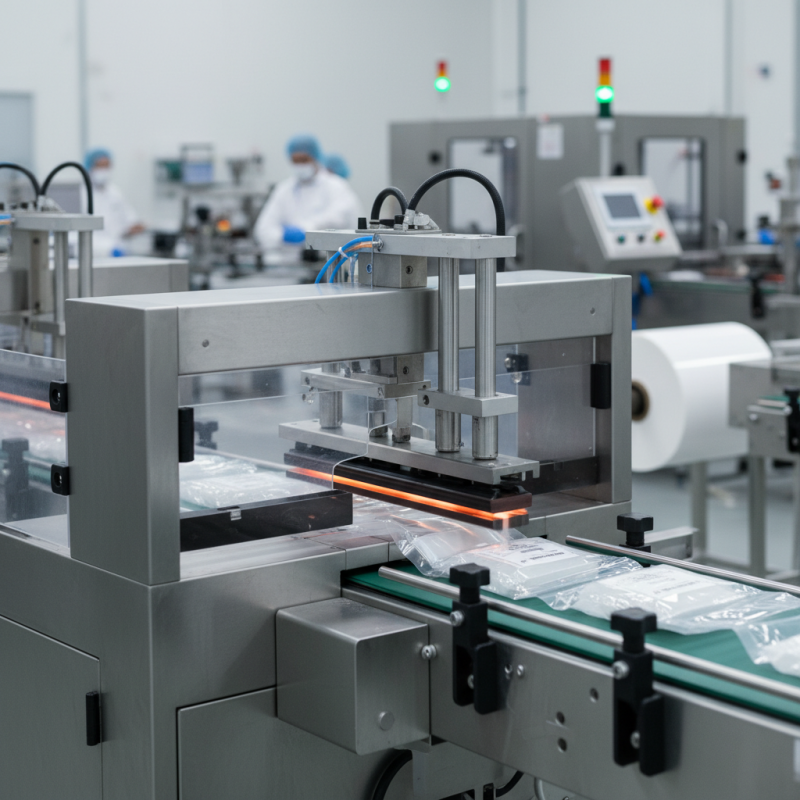
When considering industrial heat sealing machines, understanding their types and applications is crucial. These machines vary greatly, serving different industries with unique needs. The most common types include bag sealers, chamber sealers, and continuous band sealers. Each type is designed for specific tasks, ensuring efficiency and product quality.
Bag sealers are ideal for smaller operations. They excel in sealing various types of bags, including plastic and foil. Chamber sealers are suited for vacuum packing, ensuring the preservation of perishable items. According to a report by MarketsandMarkets, the global market for heat sealing machinery will grow by 5.6% annually. This growth shows the rising demand for effective sealing solutions across the food and medical sectors.
Continuous band sealers are popular in larger operations where speed is vital. They offer consistent seals and are perfect for high-volume environments. However, challenges exist. Some sealed packages may be prone to leaks or inconsistent seals if machines are mismanaged. This highlights the need for skilled operators. Proper training is essential to maximize the machine's potential and address quality concerns. Understanding the strengths and weaknesses of each type will help industries choose the right machinery for their specific applications.
Factors Influencing the Performance of Heat Sealing Machines
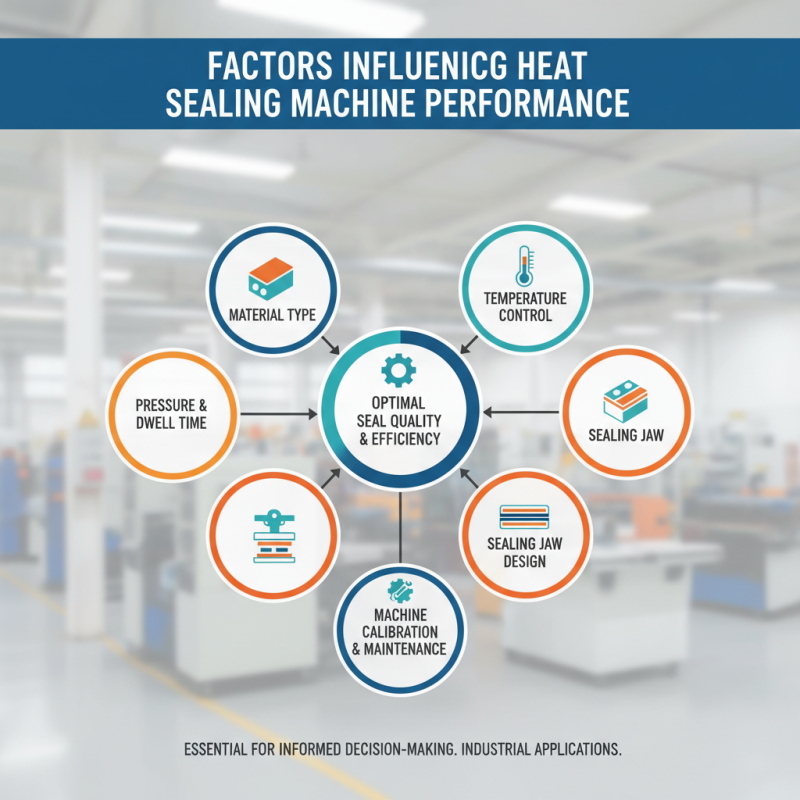
When selecting an industrial heat sealing machine, several factors influence performance. Understanding these elements is essential for making an informed decision.
Temperature control plays a pivotal role. Inadequate heating can lead to weak seals, while excessive heat may damage materials. Therefore, it’s crucial to choose a machine that offers precise temperature settings. Look for models that allow easy adjustments. Observing temperature fluctuations can inform choices about machine suitability.
Material compatibility is another key factor. Each sealing machine operates best with specific materials. Understanding the types of plastic, foil, or paper your operation uses will significantly impact seal quality. Do some tests with various materials to gauge performance. This trial and error can refine your equipment selection process.
**Tips:** Always consider the machine's cycle time. Faster speeds can increase productivity but may affect seal integrity. Balance efficiency with quality to find the right speed. Lastly, think about the welding type you need. Whether it's impulse or direct heat, each has its pros and cons. Testing these options can help identify the ideal match for your requirements.
Maintenance Tips for Prolonging the Life of Heat Sealing Machines
Maintaining industrial heat sealing machines is crucial for their longevity and efficiency. Heat sealing machines require regular attention. Following specific maintenance tips can help you extend their life.
One essential tip is to keep the sealing area clean. Dust and debris can affect sealing results. Use a soft brush to clear away any particles. Regularly checking the heating elements is vital. If they show signs of wear, replace them promptly. This simple action prevents uneven sealing.
Another important aspect of maintenance is to check all moving parts. Lubricate them to ensure smooth operation. Lack of lubrication leads to increased friction and wear. Additionally, inspect electrical connections regularly. Loose connections can cause malfunctions, jeopardizing the sealing process. Remember, a well-maintained machine not only performs better but also saves you from costly repairs.
How to Choose the Best Industrial Heat Sealing Machine? - Maintenance Tips for Prolonging the Life of Heat Sealing Machines
| Criteria |
Description |
Impact on Performance |
Maintenance Tips |
| Temperature Control |
Ability to maintain consistent temperatures for different materials. |
Critical for sealing quality and speed. |
Regularly calibrate temperature settings. |
| Seal Width |
Width of the seal produced by the machine. |
Affects packaging strength and sealing integrity. |
Keep sealing surfaces clean. |
| Speed |
The rate at which the machine operates. |
Directly influences production efficiency. |
Conduct regular maintenance checks. |
| Durability |
Material and build quality of the machine. |
Affects longevity and reliability. |
Use protective covers when not in use. |
| User Interface |
Ease of use and setup for operators. |
Improves operator efficiency and reduces training time. |
Provide operator training sessions regularly. |
| Power Consumption |
Energy efficiency of the machine. |
Impacts operational costs. |
Switch off during non-production hours. |
Cost Considerations and Budget Planning for Heat Sealing Equipment
When selecting an industrial heat sealing machine, cost plays a vital role. Understanding your budget is essential. Cost can vary widely based on machine features and capabilities. A basic unit may be more affordable but could lack essential functions. Investing in advanced technology might save money over time.
Budget planning starts with analyzing your needs. How frequently will the machine be used? High-volume operations often need robust equipment. This may initially seem expensive. However, it can lead to reduced maintenance and greater efficiency. Consider additional costs like training and installation.
Research is necessary to make informed decisions. Reading industry reports can provide insights on the average costs associated with various machines. Connecting with experienced users can reveal pitfalls to avoid. Balancing quality with budget constraints is tricky but crucial for sustainable operations. Investing time in this phase can prevent future regrets.
Cost Comparison of Different Industrial Heat Sealing Machines