How to Choose the Best Bags for Heat Sealer Machine?
Selecting the right bags for heat sealer machines is crucial for packaging efficiency. The packaging industry has seen a significant rise, with a projected growth rate of 4.5% annually through 2027. This trend highlights the demand for quality materials that ensure product safety and longevity.
Bags designed for heat sealers come in various materials and sizes. Polyethylene (PE) and polypropylene (PP) are popular choices for their durability. Proper choice impacts how well products are sealed and preserved. Reports indicate that improper bag selection can lead to product spoilage, affecting profitability. Small businesses must be especially cautious, as mistakes can be costly.
Understanding specifications is essential. Not all bags are heat sealable, which can lead to frustration and rework. Reflect on what materials suit your specific needs. Conducting thorough research can save time and money. Ultimately, the right bags stand as a barrier against potential losses, ensuring your products remain fresh and appealing.
Understanding Heat Sealer Machines and Their Requirements
When selecting bags for a heat sealer machine, it's crucial to understand the machine's requirements. Heat sealers operate effectively when the bags are compatible with their sealing process. Most heat sealers require bags made from specific materials, like polyethylene or polypropylene. According to the Flexible Packaging Association, over 65% of retailers prefer flexible packaging due to its durability and sealing capabilities.
Bags also need to withstand certain temperatures. For instance, a typical heat sealer operates between 300°F and 400°F. Using unsuitable bags could lead to poor seals or even damage the product. A study by the American Packaging Association highlighted that improper materials can increase product spoilage by up to 20%. This risk makes quality sourcing essential.
Additionally, size matters. Heat sealers work best with bags that fit the sealer's dimensions. Oversized bags can lead to inefficient sealing, while undersized ones might not contain the product properly. According to industry reports, nearly 30% of packaging failures are due to incorrect bag sizes. Therefore, choosing the right bag isn't just about aesthetics; it directly impacts efficiency and effectiveness in the packaging process.
Types of Bags Compatible with Heat Sealer Machines
When selecting bags for a heat sealer machine, understanding bag types is essential. Different materials serve various purposes. Common options include polyethylene, polypropylene, and nylon. Polyethylene bags are thick and durable. They resist moisture and protect food well. However, they may not seal as tightly as others.
Polypropylene bags offer a high-quality seal. They are transparent and glossy, making them suitable for retail packaging. Their barrier protection is commendable, but they might not be as heat resistant. Nylon bags are excellent for vacuum sealing. They are strong and provide an airtight seal. Yet, they can be pricier and less accessible.
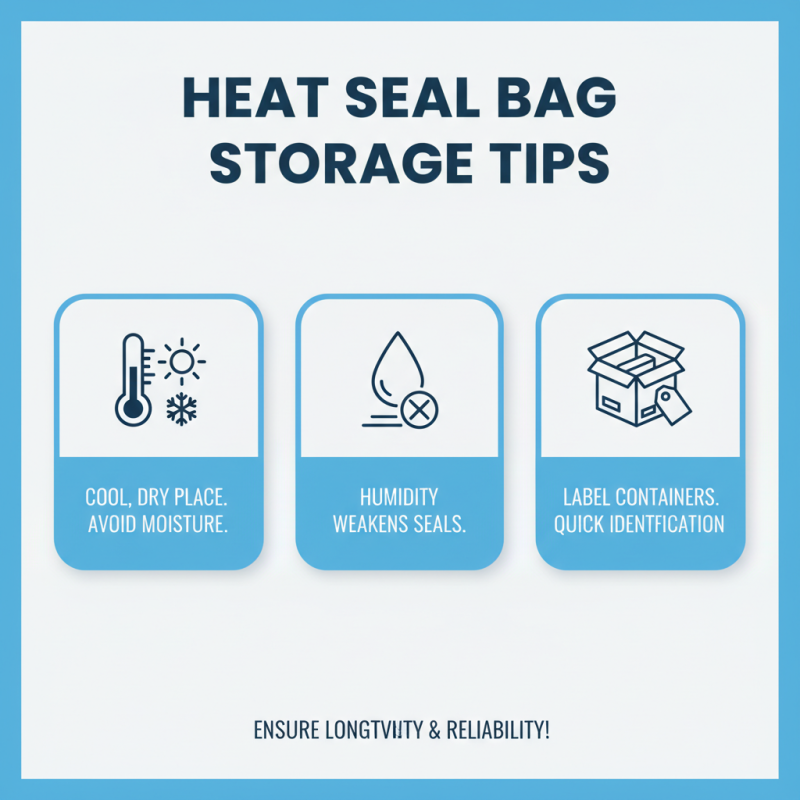
Consider the intended use when choosing a bag. Not all bags are compatible with all heat sealers. Some may require specific temperatures or settings. Testing different types can reveal performance discrepancies. You might find that certain bags don’t hold up under specific conditions. Be mindful of how each type affects product freshness and shelf life. The right choice can save time and resources in the long run.
How to Choose the Best Bags for Heat Sealer Machine? - Types of Bags Compatible with Heat Sealer Machines
| Bag Type |
Material |
Thickness (Microns) |
Temperature Resistance |
Best Use Cases |
| Polyethylene (PE) |
Plastic |
50-100 |
Up to 70°C |
Food packaging, general storage |
| Polypropylene (PP) |
Plastic |
30-50 |
Up to 100°C |
Non-food items, retail packaging |
| Polyester (PET) |
Plastic |
100-150 |
Up to 150°C |
Heavy-duty applications, industrial use |
| Foil Bags |
Aluminum |
80-150 |
Up to 200°C |
Coffee, snacks, and vacuum sealing |
| Vacuum Bags |
Multilayer |
90-200 |
Up to 100°C |
Food preservation, sous-vide cooking |
Factors to Consider When Choosing Bag Thickness and Material
When selecting bags for heat sealer machines, bag thickness is crucial. Thicker bags provide better durability. They resist punctures and tears effectively. This can be especially important for items with sharp edges. On the other hand, thinner bags may not perform as well in these situations. They can tear easily, leading to product waste. Evaluating the product you are sealing helps determine the necessary thickness.
Material selection also plays a pivotal role. Common materials include polyethylene and polypropylene. Polyethylene bags are flexible and moisture-resistant. They work well for food products. Polypropylene bags are clearer and more rigid. They are often used for retail because they showcase products nicely. However, improper material choices can lead to sealing failures. If bags are too rigid, they may not seal correctly or may break during use.
Consider application as well. Are the bags meant for heavy items or delicate products? This question influences both thickness and material choice. Sometimes, experimentation is needed to find the perfect combination. Testing different options may reveal unexpected results. Keep records of what works and what doesn’t; this helps in future decisions. With the right approach, choosing the best bags becomes an informed process.
Evaluating Sealing Performance: Testing and Quality Control
When evaluating sealing performance, testing is crucial. The right bag for your heat sealer machine can make a significant difference. Begin by conducting simple seal tests. Use various materials and thicknesses to see which performs best. Document each trial carefully. This will help identify patterns in sealing quality.
Quality control should be ongoing. Regular inspections of the sealed bags ensure consistency. Look for signs of leakage or incomplete seals. Even minor imperfections can lead to product spoilage. Make adjustments to temperature and settings as needed. Sometimes, what seems like a small issue can have a large impact.
Lastly, gather feedback from your team. They can provide insights on which bags perform under different conditions. Keep an open mind about necessary changes. Testing isn’t a one-time task; it should evolve with your operations. Perfecting your sealing process can be a continuous journey, not a destination.