How to Choose the Best Hand Held Sealing Machine for Your Needs
Choosing the right hand held sealing machine can significantly impact your packaging efficiency. Experts like Robert Chang, a leader in packaging technology, emphasize, "A quality sealing machine can make or break your operation." This highlights the importance of making an informed choice.
When selecting a hand held sealing machine, consider your specific needs. Factors such as material type, sealing speed, and ease of use play critical roles. A machine that seals effectively might not work for all packaging types. It's essential to understand your requirements deeply.
Many users overlook the importance of user-friendly features. An intuitive design can save time and reduce errors. Investing in a quality hand held sealing machine may require more upfront cost, but the long-term benefits often outweigh initial hesitations. Take time to review and test different models before making a decision.
Understanding Hand Held Sealing Machines: An Overview
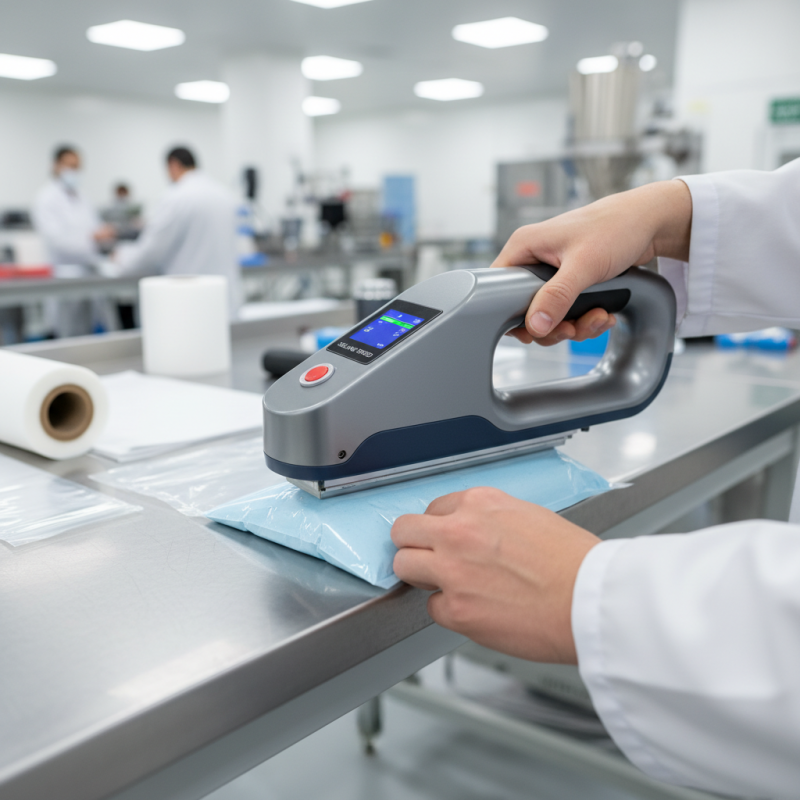
Hand-held sealing machines are essential tools for packaging and preserving items. They come in various types, catering to different needs. Understanding these machines involves recognizing their features and functionalities. Different applications, like food packaging or industrial use, require specific sealing methods.
When choosing a hand-held sealing machine, consider your sealing needs carefully. Focus on the size of the items you plan to seal. For small items, a compact model may suffice. For larger products, opt for a more robust design. Always check materials compatibility, as not all machines seal every type of packaging material effectively.
Tip: Always test your machine with sample materials before large-scale use. This helps identify potential issues early on.
Another aspect to think about is ease of use. Some machines may have complex settings, making them difficult for beginners. Read user reviews to gauge user-friendliness. Keep in mind that while high-end models may offer advanced features, simpler options often suffice for basic sealing tasks.
Tip: Regularly maintain and clean your machine. This prolongs its life and ensures effective sealing.
Reflect on how often you use the machine. If sealing is infrequent, a basic model might be adequate. Analyzing your specific needs before purchasing can prevent unnecessary spending. Aim for a model that balances functionality with ease of use.
Key Features to Consider When Selecting a Sealing Machine
When selecting a hand-held sealing machine, several key features are paramount. First, consider the sealing method. Machines may employ heat, impulse, or even vacuum sealing. Each method has its applications and benefits. For instance, heat sealers are ideal for plastic packaging, while impulse sealers maintain a more uniform temperature. Assess your specific needs carefully.
Next, focus on the machine's size and portability. A compact design is beneficial for small workspaces. However, ensure it is sturdy enough for frequent use. Many users tend to overlook the weight. A lighter machine may be easier to handle but can lack durability. Check the materials used in construction to strike a balance between portability and longevity.
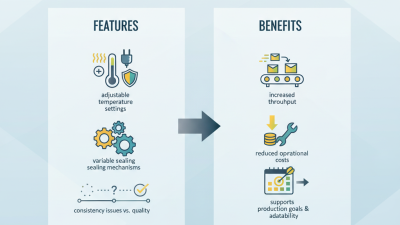
Finally, ease of operation is critical. Some machines have complicated mechanisms that require training. This can delay productivity and frustrate users. Look for intuitive designs, which can save time. Regular maintenance requirements are just as important. Machines that are hard to clean may hinder efficiency. Research these aspects thoroughly before making a decision. Each feature contributes to how well the machine meets your unique sealing needs.
Key Features to Consider When Selecting a Hand Held Sealing Machine
Types of Hand Held Sealing Machines and Their Uses
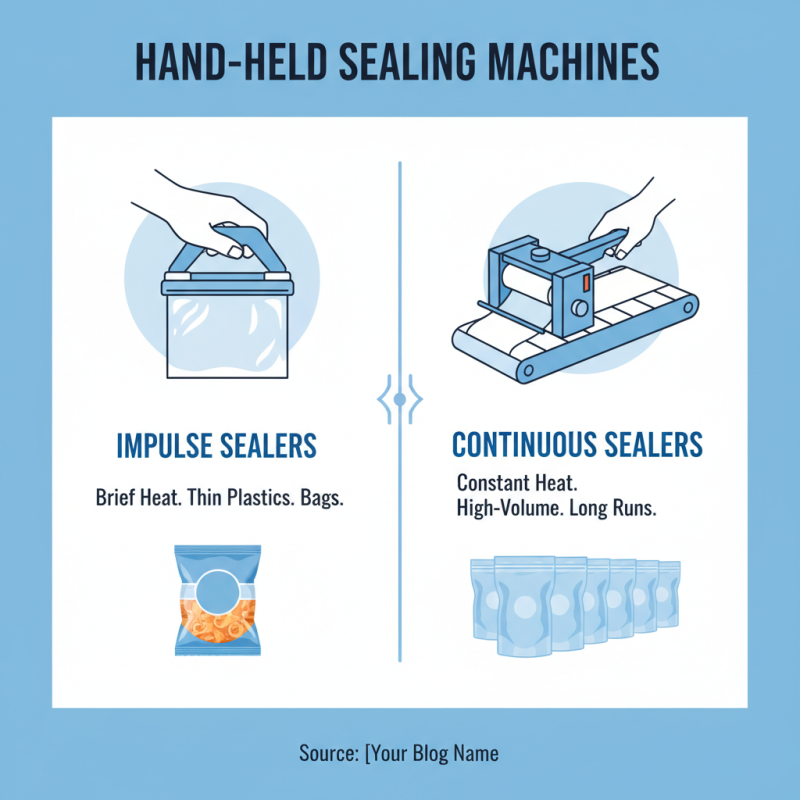
When selecting a hand-held sealing machine, understanding the different types available is crucial. There are impulse sealers, which use heat briefly to seal bags. They are great for thin plastic materials. Then, there are continuous sealers, designed for long runs of sealing tasks. These machines maintain a consistent temperature, making them ideal for high-volume operations.
Another popular choice is vacuum sealers. They remove air from the package before sealing, offering better preservation for food items. This is especially useful for long-term storage. However, these machines require proper maintenance to ensure functionality. Users often overlook the importance of cleaning and calibrating vacuum sealers regularly. Failure to do so can lead to subpar seals.
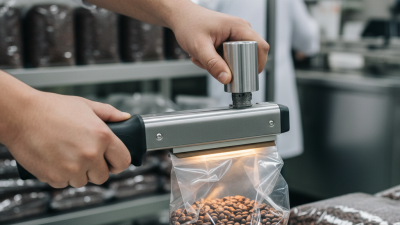
Lastly, consider hand-held heat sealers for smaller projects. They are portable and versatile. Yet, the user must apply steady pressure for an effective seal. This can be challenging, especially for beginners. It's important to test the machine with various materials to find the right setting. Understand your needs first, then choose wisely.
Evaluating Your Sealing Needs: Size, Material, and Frequency
When assessing your sealing needs, size, material, and frequency are critical factors.
A recent industry report indicates that 75% of users prefer a portable sealing machine for versatility. Portability allows for easy use at various locations.
However, choosing the right size is often overlooked. Machines with adjustable settings can handle different bag sizes, ensuring efficiency across different tasks.
Material is another key consideration. According to data from packaging studies, 60% of users favor machines capable of sealing multiple materials.
This function is essential for businesses handling diverse products. Users often find themselves struggling with machines that cannot seal thicker materials.
Reflecting on this, it's vital to ensure the chosen machine aligns with the types of goods being packaged.
Frequency of use also impacts the choice. A report revealed that businesses using sealing machines daily require models designed for high-volume output.
However, not everyone will use their machine similarly. Those sealing sporadically may prioritize cost-effectiveness over speed and durability.
Understanding your sealing frequency can guide you to a machine that meets your specific demands. Additionally, it can save users from underutilizing a powerful machine or overinvesting in a lighter model.
Budget Considerations: Finding the Best Value for Your Needs
When choosing a hand-held sealing machine, budget is often the primary concern. Different models can vary significantly in price. It's crucial to find a balance between quality and cost. Cheap machines may save money initially but can lead to frequent repairs. Higher-end models usually offer better durability and performance. Research is essential to understand the typical price range for the features you need.
Tips: Consider how often you'll use the machine. If it's for occasional projects, a more affordable option may suffice. For frequent use, investing in a higher-quality machine could be wiser. Read reviews to gauge reliability and value.
Consider any additional costs. Accessories or replacement parts can add to your total expense. Sometimes a more expensive initial investment yields savings in the long run. Make sure the machine you select meets your specific needs. It’s not just about price; it’s about performance and longevity too. Remember that the best value is not always the lowest price.