China Top 10 Puree Pouch Filling Machine Manufacturers
China’s Puree Pouch Filling Machine sector is gaining attention as food brands seek cleaner, faster, and more flexible packaging. Purees require careful handling. Their viscosity changes with temperature, fiber content, and fruit variety.
PMMI reported that U.S. packaging machinery shipments reached approximately $10.2 billion in 2023. Its market outlook also identifies automation, flexible formats, and labor efficiency as important investment drivers. Grand View Research estimates that the global food packaging equipment market will continue expanding through 2030, supported by processed food demand and convenience packaging. These figures do not measure puree pouch equipment directly. That limitation matters.
Jorge Izquierdo, PMMI’s vice president of market development, has repeatedly emphasized the importance of automation and flexibility in modern packaging operations. His practical message can be expressed clearly: “Flexible automation helps manufacturers respond to changing product and package requirements.” For puree producers, that means stable dosing, gentle product transfer, reliable heat sealing, and easier cleaning.
This China Top 10 list should not rank manufacturers by factory size alone. A capable Puree Pouch Filling Machine supplier must demonstrate filling accuracy, pouch compatibility, hygienic design, and dependable after-sales support. Ask for production samples.
Real samples reveal more.
Some machines perform well with smooth apple puree but struggle with pumpkin fibers or thicker baby food. Operators should examine servo control, nozzle design, CIP access, sealing temperature, and reject handling. Certification claims also require verification. A brochure is not proof.
This overview combines market evidence, engineering considerations, and practical purchasing experience. It remains imperfect, because machine performance depends heavily on formula, pouch film, speed, and factory conditions. Further testing is essential before final selection.
Definition and Role of Puree Pouch Filling Machines
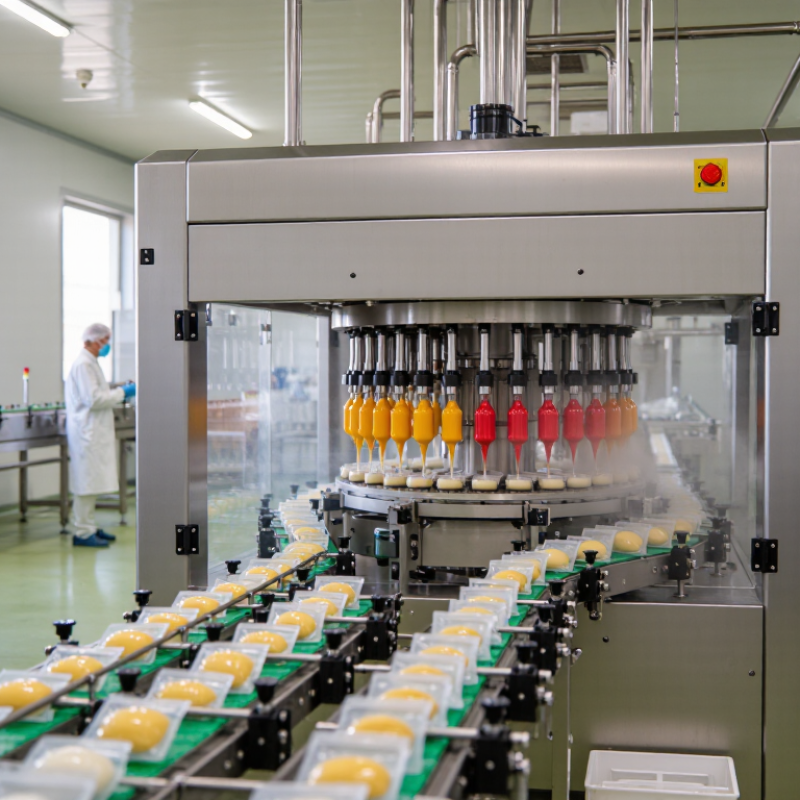
A puree pouch filling machine is industrial equipment designed to dose, fill, and seal thick food products in flexible pouches. It handles products such as fruit puree, vegetable blends, sauces, and baby food. Its main role is controlling portion accuracy while protecting the product from contamination and air exposure.
The machine usually combines pouch feeding, product dosing, sealing, coding, and discharge. A servo-driven piston or flowmeter can improve filling consistency. However, puree viscosity changes with temperature, fiber content, and recipe variation. Experienced operators therefore adjust pressure, filling speed, and nozzle timing during production. This sounds simple. It is not. A small delay can leave residue on the seal, causing leaks or weak closures.
Tips: Check the product texture before selecting the dosing system. Test real pouches, not only sample film. Keep the filling nozzle clean, and inspect seals during every production shift. Ask for documented accuracy tests, sanitation procedures, and operator training. These details often reveal more than a machine brochure.
When comparing manufacturers, buyers should examine stainless-steel construction, changeover time, control-system access, and spare-part availability. A reliable machine should provide stable output without excessive product waste. Still, no design removes every production risk. Poor maintenance, inaccurate temperature control, or unsuitable packaging film can reduce performance. A factory trial with the actual puree is the most practical verification method.
Top 10 Puree Pouch Filling Machine Manufacturers in China
Choosing among the top 10 puree pouch filling machine manufacturers in China requires more than comparing prices. Reliable suppliers should show experience with thick products, including fruit puree, vegetable blends, and baby food. Ask for filling accuracy records, pouch size ranges, and video evidence from real production lines. A useful machine should handle uneven viscosity without frequent dripping or blocked nozzles. Stainless steel contact parts, stable temperature control, and easy-clean structures also matter in daily operation.
Tips: Request a sample test using your actual puree. Check seal strength, filling weight, and cleaning time. Small details often reveal large differences.
Professional suppliers explain servo control, pump selection, and sealing pressure clearly. They should provide installation guidance, spare-part lists, and responsive after-sales support. Factory audits can confirm assembly quality, testing procedures, and operator training. A polished brochure is not proof. I once saw a machine perform well with thin sauce but struggle with dense puree, so testing only one formula can mislead. Ask for several viscosity trials and written results. Confirm electrical standards, safety guards, production capacity, and warranty terms before signing. The best choice may not be the cheapest. It should fit your product, pouch material, workforce, and planned output.
China Puree Pouch Filling Machine Manufacturers: Specification Benchmark
This chart compares commonly published specification ranges for puree pouch filling machines manufactured in China. The benchmark focuses on practical machine parameters rather than company or brand performance: pouch capacity, filling speed, filling accuracy, and installed power. Actual specifications vary by product viscosity, pouch format, dosing system, and automation level.
How to Choose the Right Manufacturer for Your Production Needs
China Top 10 Puree Pouch Filling Machine Manufacturers
Choosing a puree pouch filling machine manufacturer requires more than comparing catalog prices. Start with your product. A thick mango puree behaves differently from a smooth apple puree, especially after refrigeration. Ask the manufacturer to test your actual formula, pouch film, and filling temperature. Watch the trial closely. Check whether the nozzle drips, the seal stays clean, and the filling weight remains stable.
Production details matter. Confirm the pouch size range, filling volume, working speed, and acceptable viscosity. A machine rated for high speed may perform poorly with dense puree. Sometimes, slower output creates fewer rejected pouches. Request records for fill accuracy, seal strength, and changeover time. Inspect stainless-steel contact parts, cleaning access, and the design of the CIP process. Small corners can collect residue.
A reliable manufacturer should provide clear technical drawings, food-contact material documents, installation guidance, and responsive spare-parts support. Ask for operator training and remote troubleshooting procedures. Visit the factory if possible, or arrange a live video inspection of assembly and testing areas. Speak with comparable users, not only selected references. One weakness may appear during questioning. That is useful information. Leave room for improvement, because no machine fits every puree line perfectly.


