| Material identity | Calcium alpha-ketoglutarate, also written as calcium 2-oxoglutarate or Ca-AKG. The product name, chemical identity, and intended form should be identical across the quotation, specification, COA, label, and invoice. | Technical data sheet, product specification, safety data sheet, and a recent certificate of analysis (COA). | Prevents substitution with free alpha-ketoglutaric acid, another calcium salt, or an undeclared blend. |
| Assay and purity | Set a written minimum assay before ordering. A commonly requested commercial target is ≥98.0% by the agreed analytical method, but the method and acceptance limit must be confirmed in the contract. | Batch-specific COA showing assay result, test method, specification limit, batch number, production date, and authorized approval. | “High purity” is not a measurable acceptance criterion unless it is linked to a test method and numerical limit. |
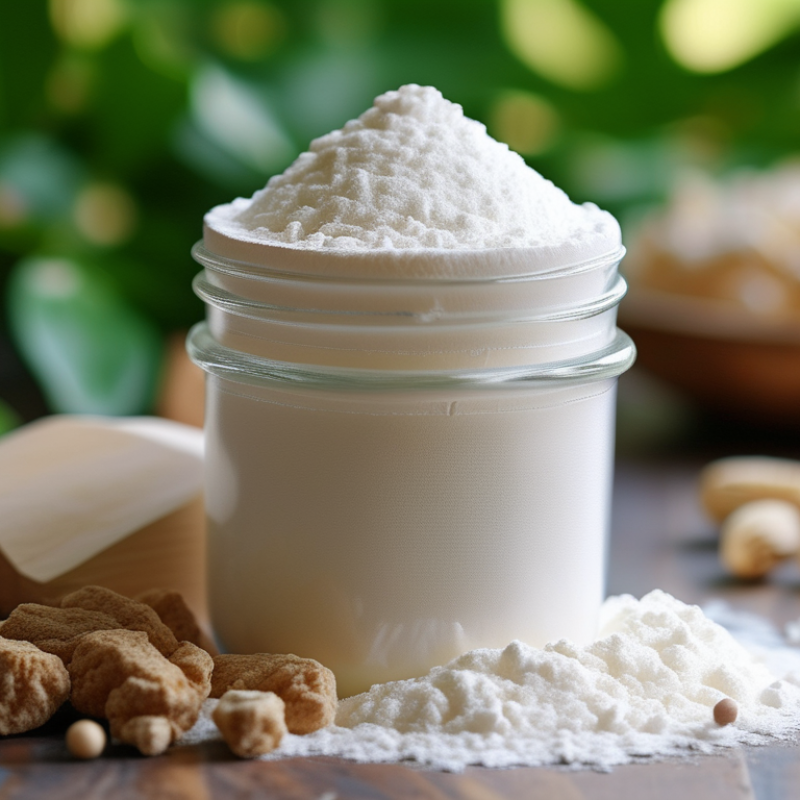
| Appearance | White to off-white powder, free-flowing or slightly cohesive, with no visible foreign matter. Final color and texture limits should be agreed in the specification. | Visual description in the specification, representative sample, and incoming inspection record. | Visible discoloration, caking, or foreign particles can indicate moisture exposure, contamination, or incorrect storage. |
| Moisture and loss on drying | Use a contract limit appropriate to the material and analytical method; a buyer may request a target of ≤5.0% unless the validated specification requires another value. | COA result with test method, sample preparation, and retest policy. | Excess moisture may reduce flowability, shorten shelf life, and increase the risk of caking or microbial growth. |
| Particle size | Define the required mesh or particle-size distribution according to the final application. Do not accept a quotation that states only “fine powder.” | Particle-size report, sieve analysis, or laser-diffraction data with the sampling plan. | Particle size affects blending uniformity, dispersion, dust generation, filling accuracy, and process yield. |
| Elemental calcium content | Request the actual elemental calcium result rather than estimating it from the product name. The value depends on the chemical form, hydration state, and assay basis. | Mineral or elemental-analysis result, analytical method, and basis of calculation. | Supports accurate formulation, nutrition-panel calculations, and dose control. |
| Heavy metals | Specify lead, arsenic, cadmium, and mercury individually. Limits must follow the destination market, product category, and applicable food or supplement rules. | Independent laboratory report using ICP-MS, ICP-OES, or another validated method. | A single “heavy metals pass” statement does not show whether each regulated element meets the applicable limit. |
| Microbiological quality | Define total aerobic microbial count, yeast and mold, and absence or limits for relevant pathogens according to the destination regulations and intended use. | Microbiology report from a qualified laboratory, sampling date, and specified acceptance criteria. | Microbial requirements differ by application; a generic “food grade” statement is not a complete specification. |
| Residual solvents and contaminants | Confirm whether solvents are used in the manufacturing process and require compliance with the relevant residual-solvent and contaminant limits. | Manufacturing-process declaration, residual-solvent statement, and test report when applicable. | Reveals process-related risks that may not appear in a basic assay report. |
| Allergen and GMO status | Obtain written declarations covering major allergens, genetically modified materials, irradiation, animal-derived ingredients, and cross-contact controls. | Signed compliance declarations and production-site segregation procedures. | Supports correct labeling and reduces the risk of undeclared ingredients or cross-contact. |
| Manufacturing controls | Prefer a documented quality system with traceable batch records, controlled change management, deviation handling, and validated cleaning procedures. | Current quality certificate or audit package, quality manual summary, and batch-traceability example. | A certificate alone does not prove that the supplied batch was produced under effective controls. |
| Sample approval | Request a representative pre-shipment sample and approve it against identity, appearance, assay, moisture, particle size, and any application-specific tests. | Sample COA, sealed sample record, approval signature, and retained reference sample. | Creates a documented quality baseline before the bulk shipment is released. |
| Packaging | Common bulk formats include 20–25 kg lined fiber drums or bags, subject to product density, transport rules, and buyer handling requirements. | Packaging specification, photographs, liner material, seal design, pallet configuration, and net/gross weight record. | Suitable moisture-barrier packaging protects powder quality during storage and international transport. |
| Shelf life and storage | Require a defined shelf life, batch manufacturing date, retest date if applicable, and storage conditions such as a cool, dry location in tightly closed packaging. | Stability statement, storage instruction, and minimum remaining shelf life at shipment. | Reduces the risk of receiving material that is close to expiry or was stored outside its validated conditions. |
| Order quantity and price basis | Compare quotations at the same specification and Incoterm. Request separate pricing for sample, 25 kg, 100 kg, 500 kg, and 1,000 kg quantities when relevant. | Formal quotation showing currency, unit, minimum order quantity, packaging, validity period, taxes, freight, insurance, and Incoterm. | A low unit price may exclude testing, packaging, freight, customs charges, or other landed costs. |
| Lead time | Separate production lead time, testing time, document preparation time, and transit time. Confirm the estimated dispatch date in writing. | Production schedule, pre-shipment inspection plan, shipping estimate, and contingency arrangement. | Clarifies whether the quoted delivery date includes manufacturing, quality release, and transport. |
| Payment protection | Use a written purchase contract, verified beneficiary information, staged payment where appropriate, and a clearly defined balance-payment trigger linked to inspection or shipping documents. | Signed pro forma invoice, bank-detail verification through an independent channel, inspection clause, refund terms, and dispute-resolution clause. | Reduces exposure to payment diversion, unauthorized bank-detail changes, and quality disputes. |
| Pre-shipment inspection | For larger orders, arrange inspection of quantity, package integrity, labels, batch numbers, and agreed quality documents before dispatch. | Inspection report, loading photographs, seal number, packing list, and final batch COA. | Provides evidence of shipment condition and helps identify discrepancies before the goods leave the origin. |
| Shipping documents | Prepare commercial invoice, packing list, transport document, certificate of origin when required, SDS, COA, and any destination-specific import documents. | Document checklist matched to the destination customs and product requirements. | Missing or inconsistent documents can cause customs delays, storage fees, or import rejection. |
| Receiving inspection | Check outer packaging, seals, net weight, lot numbers, moisture damage, odor, appearance, and document consistency immediately after receipt. | Receiving checklist, photographs, retained sample, and laboratory confirmation for critical attributes. | Creates timely evidence for claims under the contract and supports complete batch traceability. |
| Contract acceptance criteria | Include identity, assay, moisture, particle size, contaminants, microbiology, packaging, shelf life, quantity tolerance, inspection rights, nonconformance handling, and refund or replacement terms. | Signed specification annex and purchase order referencing the approved version number. | The written specification is the central reference for deciding whether a shipment conforms to the agreed purchase. |