What is Brown Paper and How Does it Impact Purchasing Decisions?
Brown Paper plays a crucial role in the world of purchasing decisions. It is often more than just a packaging material; it conveys necessary information and values. Understanding its impact can help consumers make informed choices.
Many shoppers overlook the importance of packaging. Brown Paper, often associated with sustainability, has gained popularity. Its simple appearance can signal quality and eco-friendly practices. Brands using Brown Paper may appeal to environmentally conscious buyers. However, this assumption can be misleading. Not all products packaged in Brown Paper are sustainable.
In today's market, transparency is vital. Consumers want to trust what they buy. Packaging influences perceptions, with Brown Paper sometimes creating a false sense of reliability. It raises questions: Does the material ensure the product's quality? Can it influence loyalty? Understanding these aspects can empower buyers to be more discerning.
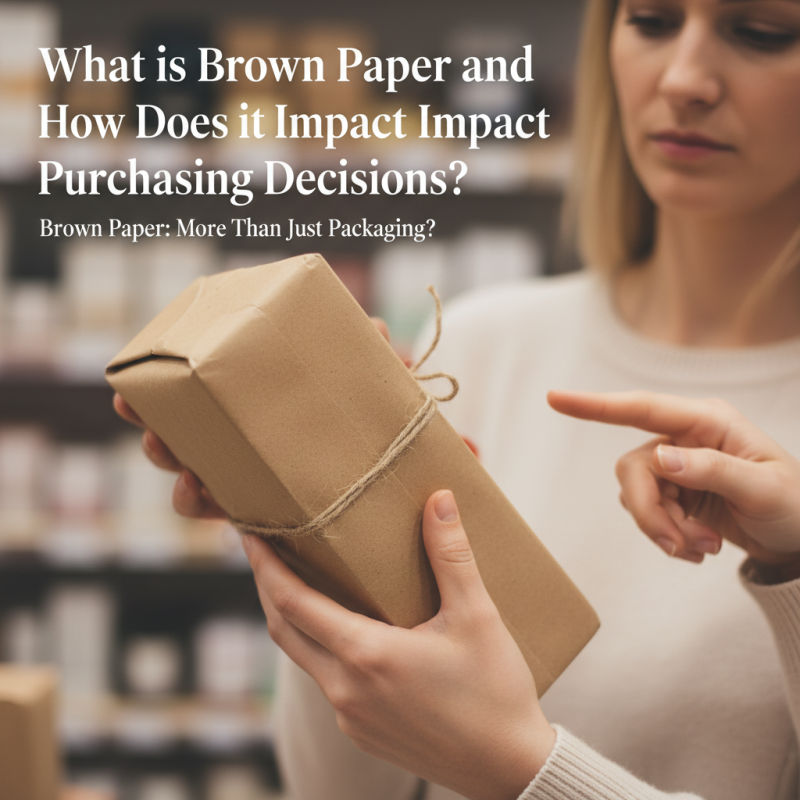
Understanding Brown Paper: Definition and Characteristics
Brown paper is a versatile material widely used in various industries. It is known for its strength and durability. Often brown paper is recycled and eco-friendly, which aligns with sustainable practices. Many consumers appreciate its natural look. This characteristic can influence purchasing decisions.
When it comes to packaging, brown paper offers a rustic appeal. Brands may use it to convey authenticity and craftsmanship. This can resonate with customers seeking genuine products. However, not all consumers are attracted to this aesthetic. Some might perceive it as lacking sophistication. Preferences can vary widely, impacting sales.
The tactile experience of brown paper also plays a role. Its texture can evoke feelings of nostalgia and comfort. This emotion can strengthen the bond between the consumer and the product. Yet, some may question its practicality compared to glossy alternatives. Reflecting on these perceptions is crucial for brands. Balancing aesthetics with functionality can shape effective marketing strategies.
The Role of Brown Paper in Packaging and Branding
Brown paper is often viewed as a humble packaging material. Yet, it plays a crucial role in branding. Its rustic appearance evokes a sense of authenticity. Shoppers often associate brown paper with eco-friendliness. This perception can significantly influence purchasing decisions. Consumers increasingly prefer brands that prioritize sustainability.
To maximize the impact of brown paper in packaging, consider these tips. Use clear, bold typography to convey your message. Simple designs can be more effective than overly elaborate ones. Create a connection by sharing your brand story. A narrative can resonate with customers on an emotional level.
While brown paper can enhance your brand's image, it has its drawbacks. Some consumers expect more polished packaging. Balancing authenticity with polish can be tricky. It's essential to understand your target audience. Engagement can help refine your approach. Do regular consumer feedback sessions to gauge effectiveness.
What is Brown Paper and How Does it Impact Purchasing Decisions? - The Role of Brown Paper in Packaging and Branding
| Dimension | Impact on Purchasing Decisions | Consumer Perception | Sustainability Aspect |
| Material Quality | High-quality brown paper increases perceived value. | Consumers associate quality with brand integrity. | Recyclable and often biodegradable. |
| Aesthetic Appeal | Natural look attracts eco-conscious buyers. | Creates a warm and inviting feel. | Supports sustainable branding efforts. |
| Cost-effectiveness | Affordable alternative for many brands. | Value for money perceived positively by consumers. | Less environmental impact ensures consumer support. |
| Brand Differentiation | Unique packaging stands out on shelves. | Memorable packaging encourages repeat purchases. | Aligns brand with sustainability values. |
| Functional Benefits | Durable and protective for various products. | Reliability adds to trust in brand. | Recyclable material boosts positive brand image. |
Influence of Brown Paper on Consumer Perception and Choices
Brown paper is often seen as a simple, unassuming material. However, its influence on consumer perception is significant. This material evokes feelings of sustainability and earthiness. When consumers engage with brands using brown paper, they often associate the products with eco-friendliness. Many believe that using such packaging means the product is less harmful to the environment. This connection can sway buying decisions, especially among environmentally conscious shoppers.
Moreover, the texture of brown paper can enhance the consumer experience. It adds a tactile element that glossy packaging lacks. When people feel the rough surface, they might trust the product's authenticity. This tactile feedback can lead to emotional engagement. Yet, not all consumers feel drawn to this packaging style. Some may prefer sleek, modern designs. This discrepancy prompts brands to reflect on their packaging choices and customer preferences.
Balancing sustainability with aesthetic appeal is crucial but challenging. Understanding these dynamics can help brands refine their strategies and connect meaningfully with their audience.
Comparison of Brown Paper with Other Packaging Materials
Brown paper stands out in the packaging world for its versatility and eco-friendliness. Compared to plastic, brown paper is biodegradable. This characteristic appeals to environmentally conscious consumers. It offers a natural look that many brands find attractive for their products. Its recyclability further boosts its appeal as a sustainable choice.
In contrast to other materials like bubble wrap or Styrofoam, brown paper provides a simpler solution. It excels in protecting items without the environmental impact. However, it may not always offer the same level of cushioning. Some products require stricter protection. Brands must weigh the balance between protection and sustainability carefully.
While brown paper is effective, it may sometimes lack the durability of synthetic materials. Customers often seek assurance that their products arrive safely. This concern might lead them back to plastic options, despite the harmful effects on the planet. Understanding these nuances helps consumers make better purchasing decisions, integrating both protection and sustainability.
Sustainability Aspects of Brown Paper and Its Market Impact
The appeal of brown paper goes beyond its rustic charm. Its sustainability features are becoming increasingly significant in purchasing decisions. Brown paper is typically unbleached and made from recycled materials. This shifts consumer preference toward eco-friendly products. Many customers are now concerned about their environmental impact. They prefer packaging that is recyclable or biodegradable.
Sustainable brown paper helps reduce waste. It lowers the carbon footprint during production processes. However, not all brown paper is created equal. Some products may still be treated with harmful chemicals. Consumers must research and choose carefully. This highlights the importance of transparency in production.
Ultimately, the market impact of brown paper can be substantial. Companies using sustainable options can boost their image. Customers are willing to pay more for environmentally friendly products. However, the challenge lies in ensuring that these products live up to their sustainable claims. There is room for improvement in manufacturing standards and certifications. It's crucial to weigh the benefits against potential greenwashing practices.
Impact of Brown Paper on Purchasing Decisions


