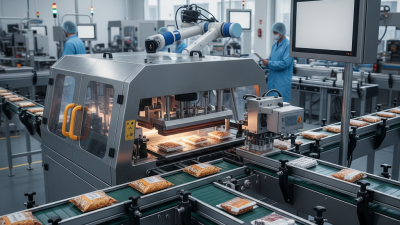
Best Rotary Heat Sealer Machines for Efficient Packaging Solutions
In today's fast-paced market, efficient packaging is crucial. The rotary heat sealer machine stands out as an essential tool for businesses. These machines enhance productivity and ensure product safety. They are ideal for various industries, including food and consumer goods.
Many companies overlook the importance of choosing the right equipment. A rotary heat sealer machine can significantly reduce sealing time. It helps maintain product freshness and extends shelf life. However, not all rotary machines are created equal. It's vital to assess features like temperature control and sealing width.
Investing in a reliable rotary heat sealer machine can lead to better packaging solutions. Businesses should consider their specific needs and production volumes. Often, the wrong choice can lead to wasted materials and time. Understanding these details can help avoid common pitfalls in packaging processes.
Introduction to Rotary Heat Sealer Machines
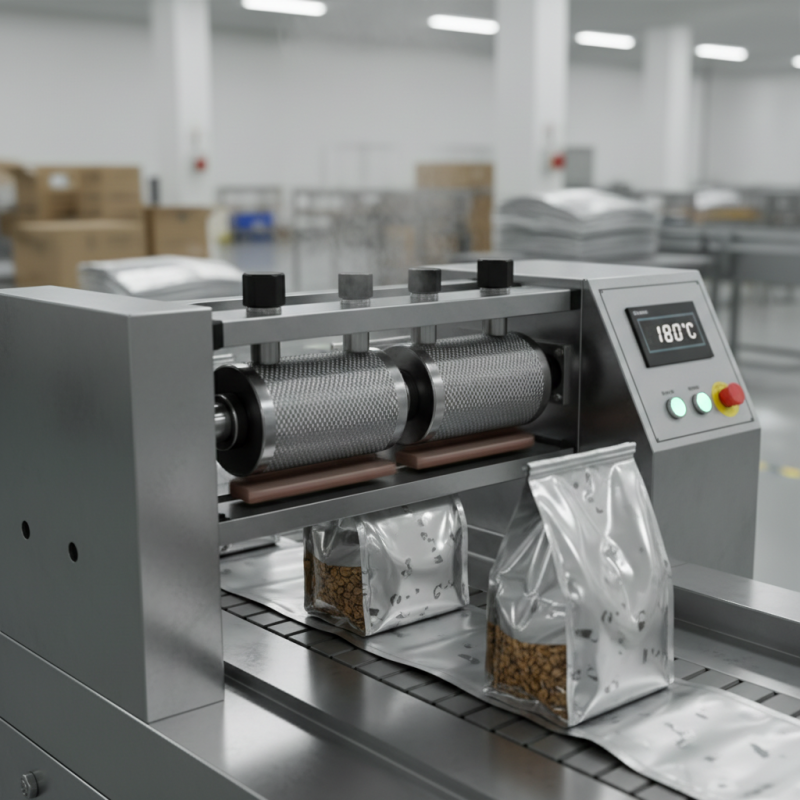
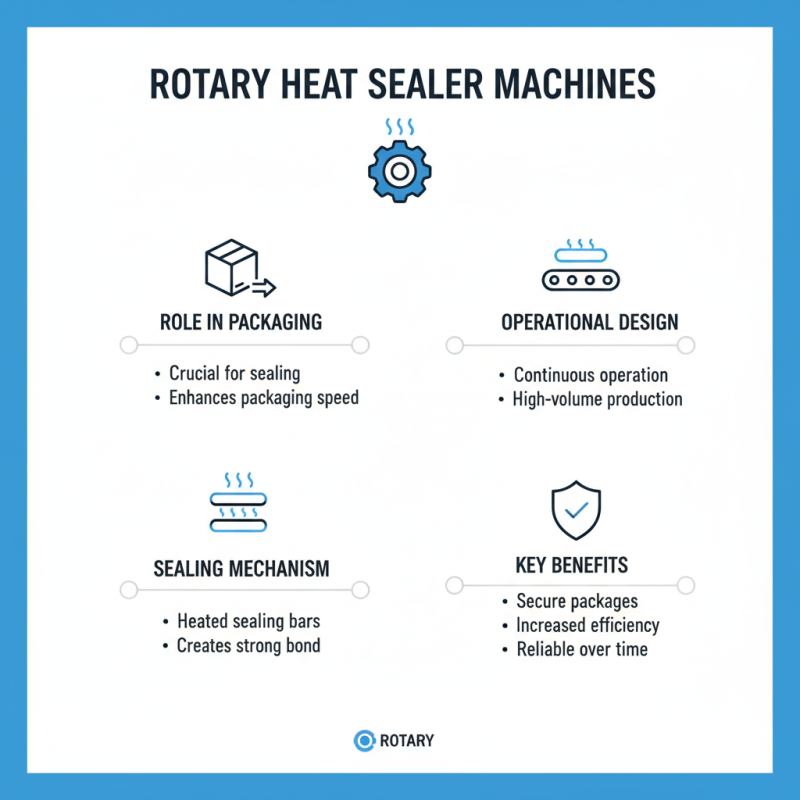
Rotary heat sealer machines play a crucial role in today's packaging industry. They offer efficient sealing for various products, enhancing packaging speeds. These machines are designed for continuous operation, making them ideal for high-volume production environments. The heated sealing bars create a strong bond, ensuring that packages remain secure over time.
When selecting a rotary heat sealer, consider the materials you will use. Different machines are suited for specific types of packaging films. Some users find it challenging to adjust the settings for varying thicknesses. This can lead to wasted materials or subpar seals. Regular maintenance is also essential, as wear and tear can affect performance. Operators should be trained to recognize these issues early on, ensuring consistent packaging quality.
Incorporating a rotary heat sealer can streamline your operations dramatically. However, it's important to regularly evaluate equipment performance. Monitoring efficiency and quality can help identify areas for improvement. Users may face challenges, but continuous learning can transform weaknesses into strengths. These machines are an investment in better productivity and reliability in packaging.
Key Features to Look for in a Rotary Heat Sealer
When choosing a rotary heat sealer, several key features stand out.
Temperature control is essential. A reliable machine allows precise adjustment for different materials. This ensures proper sealing and avoids over or under sealing, which can waste materials.
Look for units with digital displays, as they provide clear readings and enhance user experience.
Another important aspect is the sealing speed. A faster sealer can improve productivity, especially in a high-demand environment. However, it's vital to find a balance. Higher speed may lead to less effective seals if not managed properly.
Users should also consider the materials the sealer can handle. Some machines are versatile, while others are limited to specific types, impacting your packaging options.
Durability and ease of maintenance are factors worth reflecting on. A robust machine can withstand daily use, but it may require more upfront investment. Users must weigh this against potential long-term savings.
Additionally, regular maintenance can extend the lifespan of the equipment, but some may neglect this aspect. A thoughtful approach to these features can lead to more efficient packaging solutions in the long run.
Benefits of Using Rotary Heat Sealers for Packaging
Rotary heat sealers offer significant advantages for efficient packaging. Their design allows for continuous sealing, reducing downtime. This is especially beneficial in high-volume production lines. The machine can seal a variety of materials, making it versatile. This adaptability is crucial in industries that require different packaging types.
Using rotary heat sealers enhances consistency. Each seal is uniform, ensuring a secure package. This reduces product spoilage during transportation. Moreover, they are user-friendly. Operators can easily adjust the settings to fit specific materials. However, some users may struggle with initial setup and calibration. Taking time to review the manual can help prevent mistakes.
Additionally, rotary heat sealers can save costs. They minimize the need for additional packaging materials. Faster sealing also leads to increased productivity. Yet, it’s essential to monitor the machine regularly. Neglecting maintenance can lead to inconsistencies in sealing quality. Addressing these minor issues will ensure optimal performance over time.
Popular Brands and Models of Rotary Heat Sealers
When considering rotary heat sealers, several popular models stand out in the market. These machines are designed for efficient and reliable packaging. Many users appreciate the ease of use and consistent sealing that these devices offer. They work well with various materials, making them suitable for different products. Some sealers feature adjustable temperature controls, allowing users to customize settings for optimal results.
It's important to weigh factors like speed and size. Some machines can seal products quickly, while others are built for larger packages. This variety can often lead to confusion, especially for first-time buyers. Users may find themselves struggling to make the right choice. Proper training and experience with these machines can greatly enhance performance and reduce errors.
Many brands come with unique features like automatic operation or safety mechanisms. However, not all models live up to expectations. Performance can vary depending on the specific application. Potential buyers should consider their needs carefully. Research and testing are essential to find a rotary heat sealer that meets those requirements effectively.
Sales Comparison of Rotary Heat Sealers
Maintenance and Care Tips for Longevity of Heat Sealers
Proper maintenance of rotary heat sealers is crucial for ensuring their longevity and efficiency. Regular cleaning can prevent residue build-up, which may affect seal quality. According to industry reports, a clean sealing element can improve sealing strength by up to 25%. Use a soft cloth to wipe down the machine after each use. Pay attention to the sealing jaws. Inspect them regularly for wear and tear.
Temperature calibration is significant. Heat sealers should operate within the recommended temperature range for optimal performance. A study revealed that incorrect temperature settings can lead to up to 30% of seal failures. It is advisable to test the settings frequently and adjust based on the materials being sealed. Underestimating this factor can cause frustration and additional costs.
Always check the electrical connections. Loose or damaged wires can lead to inconsistent heating. Regular inspections can help identify potential issues early. Additionally, remember to store the machine in a dry environment. Humidity can affect electronic components, shortening the device's lifespan. Ignoring these simple care tips can result in increased downtime and costly repairs, making proactive maintenance essential for efficient operation.
Best Rotary Heat Sealer Machines for Efficient Packaging Solutions - Maintenance and Care Tips for Longevity of Heat Sealers
| Model |
Max Seal Width |
Seal Speed |
Power Consumption |
Weight |
Maintenance Tips |
| Model A |
12 inches |
10-15 packets/min |
500 watts |
15 kg |
Clean heating elements regularly |
| Model B |
16 inches |
8-12 packets/min |
650 watts |
20 kg |
Lubricate moving parts quarterly |
| Model C |
14 inches |
9-14 packets/min |
600 watts |
18 kg |
Replace worn out seals promptly |
| Model D |
20 inches |
7-10 packets/min |
800 watts |
25 kg |
Check electrical connections regularly |