Who Are the Best Die Cutter Manufacturers in China?
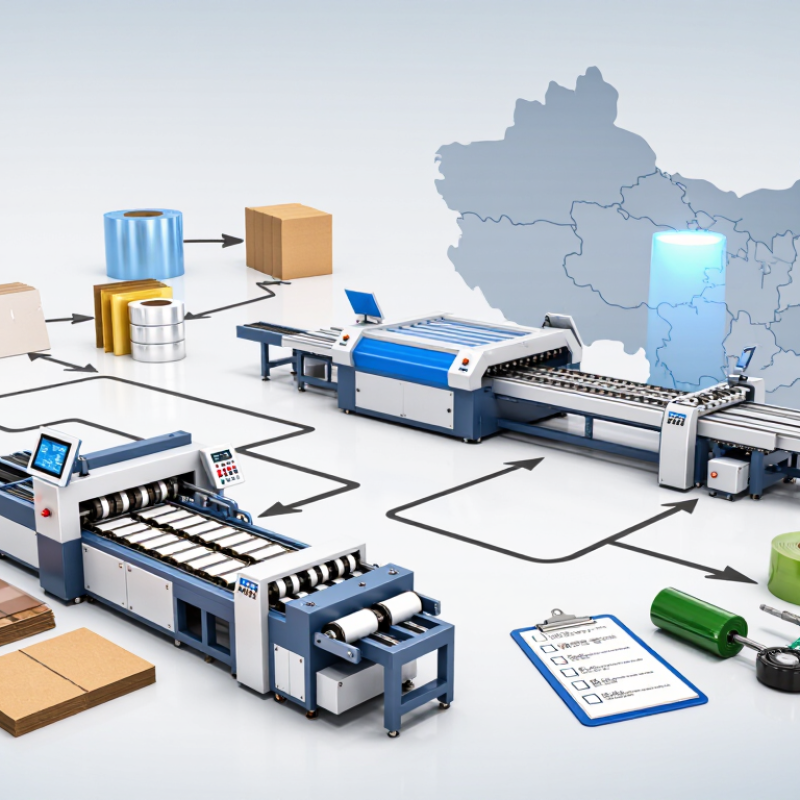
China’s die cutter industry is organized as a layered manufacturing network. Large engineering companies design complete machines, while specialized workshops supply feeders, cutting cylinders, servo drives, sensors, and control cabinets. Regional clusters then assemble, test, and export the equipment. This structure lowers costs and shortens replacement times.
The scale is substantial. China Packaging Federation statistics placed the country’s packaging industry revenue at approximately RMB 1.16 trillion in 2023. That figure includes paper, plastic, metal, and logistics packaging, not die cutters alone. Still, it shows the depth of the customer base. The World Bank also reported China’s manufacturing value added at roughly US$4.66 trillion in 2023. Such industrial capacity supports machining, automation, metal treatment, and electrical integration.
Manufacturers usually serve different tiers. Some build high-speed rotary systems for long production runs. Others focus on flatbed machines for folding cartons, corrugated sheets, labels, or specialty materials. Component suppliers often serve several assemblers, creating shared technical standards and faster maintenance access. According to industry procurement reports, buyers increasingly compare waste rates, changeover time, energy use, and remote diagnostics, rather than purchase price alone.
Public statistics rarely separate die cutter production from wider converting machinery. That is a weakness. Buyers should verify test-cut samples, hourly output, tolerance records, spare-part availability, and technician response times. A polished factory is not always a reliable factory. Supplier capability can vary sharply between models.