Best Bags for Heat Sealer Machines in 2026?
In 2026, the demand for bags for heat sealer machines is expected to surge. According to industry reports, the global heat sealing packaging market is projected to reach $25 billion by 2026. This growth is driven by an increasing need for durable and reliable packaging solutions across various sectors, including food, pharmaceuticals, and consumer goods.
Bags for heat sealer machines play a crucial role in enhancing product shelf life. They ensure airtight sealing, preventing contamination and spoilage. Various materials, such as polyethylene and polypropylene, are commonly used. However, not all bags offer the same efficiency or durability. Users may find it challenging to choose suitable options, as varying thicknesses and seal strength impact performance.
Moreover, with sustainability becoming a priority, eco-friendly bag options are gaining traction. Some manufacturers are innovating with biodegradable materials, yet their sealing effectiveness often raises concerns. It’s essential to balance environmental considerations with quality. As businesses evaluate their needs, the right selection can significantly influence operational success and product integrity.

Overview of Heat Sealer Machines and Their Applications
Heat sealers are essential tools in various industries, enabling the effective sealing of bags for storage and transport. They are widely used in food, pharmaceuticals, and manufacturing. According to a report by Grand View Research, the global heat sealing packaging market is expected to grow substantially, reaching USD 30 billion by 2026. This surge is driven by the demand for improved shelf-life and the increasing need for packaging that maintains product integrity.
The applications of heat sealers extend beyond simple bag sealing. They are crucial in ensuring contamination-free environments in pharmaceuticals. In the food industry, they help preserve freshness and eliminate waste. A study from the Food Packaging Association highlighted that over 60% of consumers prefer products with secure packaging, reflecting the importance of effective sealing techniques. However, selecting the correct bags for heat sealers remains a challenge. Not all bags are compatible with every heat sealer, which can lead to inefficiencies and waste.
As industries evolve, so do the demands for better sealing solutions. Innovations in materials and sealing technology are continuously emerging. Yet, there is still a need to question and improve existing procedures. Companies should invest time in testing different bag types and sealers to optimize their processes effectively. Many organizations often overlook the importance of this step, which can lead to increased operational costs and decreased product quality.
Best Bags for Heat Sealer Machines in 2026
| Bag Type |
Material |
Thickness (microns) |
Temperature Resistance (°C) |
Best For |
| Vacuum Bags |
Nylon/Film |
70 |
-40 to 90 |
Marinade, Freezing |
| Foil Bags |
Aluminum Foil |
100 |
-20 to 120 |
Long-term Storage |
| Polyethylene Bags |
Plastic |
50 |
-10 to 60 |
Bulk Packaging |
| Heat Sealable Bags |
Polyester |
80 |
-20 to 100 |
Snack Foods |
| Crystal Clear Bags |
BOPP |
40 |
-10 to 70 |
Retail Packaging |
Characteristics of Ideal Bags for Heat Sealers
When choosing bags for heat sealer machines, several characteristics play a crucial role in ensuring effectiveness. The ideal bags should have high thermal resistance. This feature allows them to withstand heat without degrading. According to a 2021 report by Packaging Strategies, bags with a melting point above 250°F are increasingly popular in food packaging.
Another vital characteristic is puncture and tear resistance. Bags should protect contents during shipping and storage. A report from Smithers notes that bags with a thicker gauge often perform better in preventing breaches. Additionally, the materials used should be compatible with the sealing process, maximizing the strength of the seal.
Tips: Always test different bag types in your sealing process. This helps identify the best fit for your specific needs. Remember, a bag that works well in theory may not perform equally in practice. Also, consider environmental factors such as humidity. This can affect how well seals adhere during production.
Furthermore, clarity and visibility are essential, especially in retail settings. Consumers prefer to see products before purchase. Opt for bags that maintain visual appeal without sacrificing durability. As you evaluate options, reflect on your production environment. This insight can guide you to the most appropriate bag choice.
Top Brands for Heat Sealer Bags in 2026
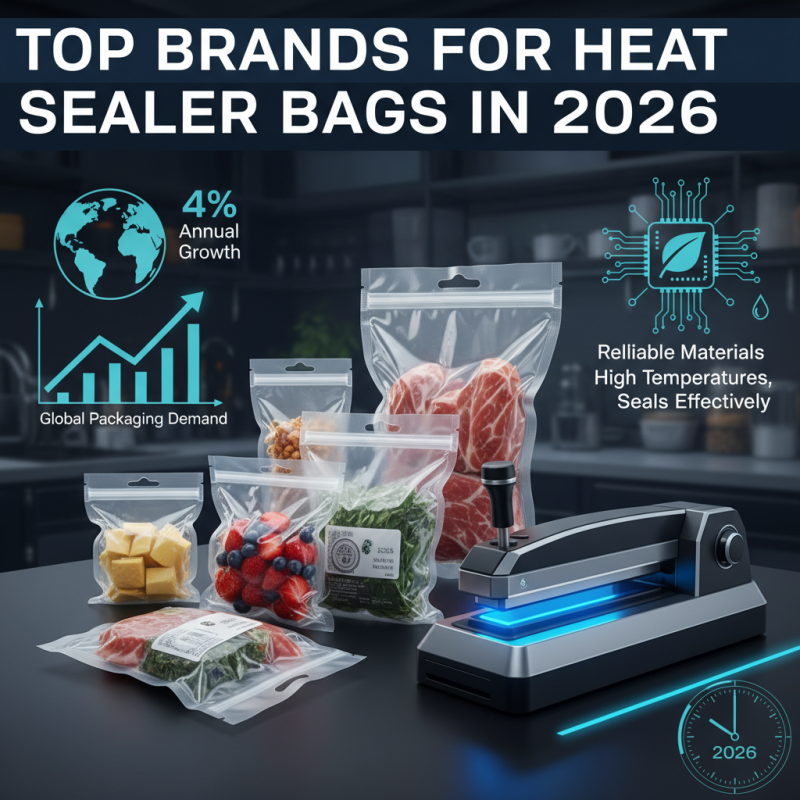
As we look ahead to 2026, the market for heat sealer bags continues to evolve. Reports indicate that the global demand for packaging solutions is expected to grow by over 4% annually. This surge is driven by the increasing focus on food preservation and storage efficiency. Professionals in the packaging industry highlight the importance of reliable materials that can withstand high temperatures and seal effectively.
Top brands are primarily known for their durable and versatile heat sealer bags. These bags come in various sizes, catering to diverse storage needs. The materials used often include polyethylene and nylon composites, recognized for their excellent sealing properties. According to the latest data, nearly 70% of consumers prefer products that offer both quality and sustainability. But, not all bags meet these criteria. Some may have seams that weaken over time, leading to potential issues with leaks.
Many experts stress the need for testing and research when selecting heat sealer bags. Cost is often a factor, but investing in quality can save money in the long run. Some products might appear cheaper but do not seal correctly, resulting in wasted food and resources. Overall, while various options exist, the challenge remains in finding reliable choices that offer lasting performance in food preservation.
Comparison of Material Types for Sealable Bags
When selecting sealable bags for heat sealer machines, material types play a crucial role. There are several options—polyethylene (PE), polypropylene (PP), and paper blends. Each material has its strengths and weaknesses.
Polyethylene bags are versatile, offering good flexibility and durability. They are resistant to moisture and can seal tightly. However, PE bags are not always suitable for high-temperature applications. A recent industry report indicated that 45% of users prefer PE for food storage due to its seal integrity.
Polypropylene bags, on the other hand, offer superior clarity and rigidity. They withstand higher temperatures and are ideal for products that require a polished presentation. Yet, they may not provide the same moisture barrier as PE. Users should consider the application to decide the right choice.
Tip: Always test your heat sealer with different materials to find the best fit. Adjust your settings based on the bag type to avoid issues like incomplete seals. Often, minor tweaks can lead to better results.
Paper blends combine the best of both worlds. They offer eco-friendliness and attractive designs. However, they may not seal as tightly as plastic-based bags. According to a recent survey, 25% of businesses are exploring sustainable materials, pushing for better options in the future.
Tip: Monitor the performance of your sealing machine regularly. This helps maintain efficiency and ensures quality seals. Regular checks can prevent larger issues.
Best Bags for Heat Sealer Machines in 2026
User Reviews and Recommendations for Heat Sealer Bags
When considering the best bags for heat sealer machines in 2026, user reviews provide valuable insights. Many users report excellent sealing performance with various bag materials. According to recent industry research, bags made from multi-layer films offer superior barrier properties. These films prevent moisture and air ingress, which ensures food stays fresh longer.
One notable finding is the importance of bag thickness. Users suggest selecting bags with a thickness of at least 3 mils for optimal durability. However, not all reviews are positive. Some users experienced issues with bags bursting during sealing. This highlights the need to test different brands and materials thoroughly.
Another key factor is the compatibility of bags with different heat sealers. Users frequently mention the frustration of using bags that do not fit well. A poorly fitting bag can lead to ineffective seals, resulting in spoilage. Many recommend avoiding overly generic options. Focus on specific bag types designed for particular machines to ensure reliability. This can make a significant difference in user satisfaction.