What Is Anti Clogging DTF Ink and How Does It Work?
Direct-to-film (DTF) printing depends on a clean, steady ink path from the tank to the printhead. When pigment particles settle or ink dries around nozzles, faint lines, color gaps, and sudden head errors can appear. Anti Clogging Dtf Ink is formulated to reduce these interruptions while preserving the dense color that transfer films require. It is not simply “thinner ink.” Its performance depends on pigment dispersion, viscosity, surface tension, drying balance, and compatibility with the printer’s waveform. Small changes matter. A warm workshop, dusty film, or long idle period can quickly expose weak formulation choices.
This guide explains what anti-clogging ink does inside a DTF system and why its chemistry affects daily maintenance. In practical use, reliable ink should pass smoothly through dampers and nozzles, produce consistent droplets, and remain stable during short pauses. Manufacturers may use refined dispersants and controlled particle sizes, but specifications should be verified rather than assumed. Check the technical data sheet, recommended storage range, printhead compatibility, and curing requirements. A bright test chart is useful, but nozzle checks and wash-fastness tests reveal more. Results should be measured.
The term can also create false confidence. Anti-clogging protection does not replace cap cleaning, correct humidity, or proper white-ink circulation. White ink usually needs closer attention because its heavier pigment load settles more readily. I have seen good-looking prints fail after storage or washing, showing why one sample proves very little. The details matter. This article approaches the subject through printer operation, ink behavior, and quality control, while acknowledging that real results can vary between machines, environments, and maintenance habits.
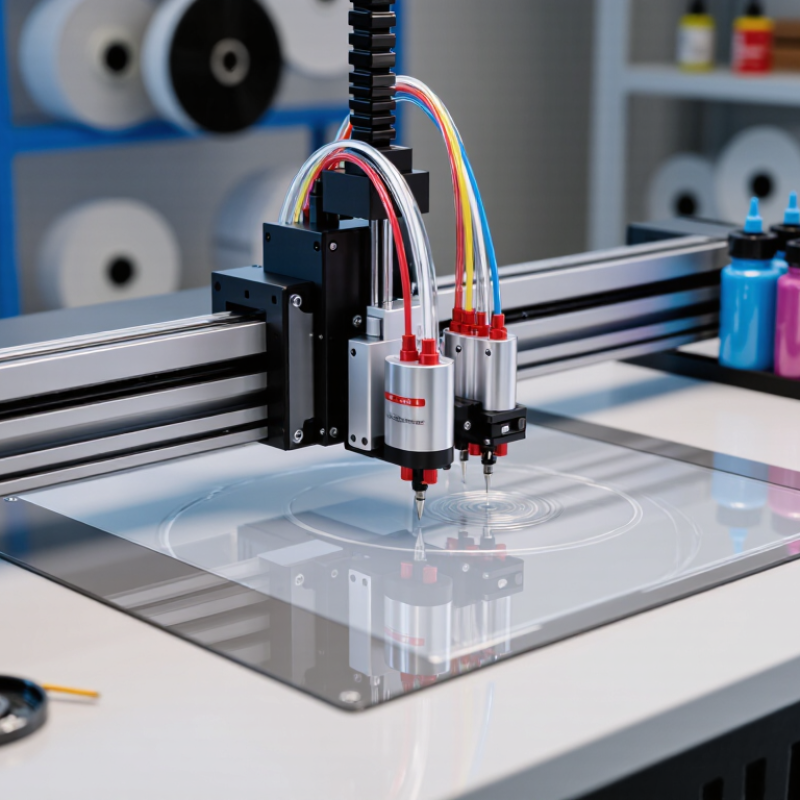
What Is Anti-Clogging DTF Ink?
Anti-clogging DTF ink is formulated to keep pigment particles suspended and moving through narrow printhead channels. Standard textile ink can dry around nozzles, especially during pauses, causing missing dots, banding, or uneven white layers. Anti-clogging formulas usually balance pigment dispersion, humectants, resin, viscosity, and surface tension. The goal is simple: stable droplets, not merely thinner ink.
According to Grand View Research, the global direct-to-film printing market was valued at approximately USD 2.6 billion in 2023, with strong growth expected through 2030. This expansion increases pressure on workshops to reduce cleaning time and nozzle failure. Smithers’ digital textile printing research also identifies print reliability and production efficiency as important adoption factors. These reports do not prove that one ink formula fits every printer. They show why ink stability matters commercially.
In practice, anti-clogging ink retains moisture near the nozzle plate without creating oversized droplets. Operators should still check viscosity, temperature, and nozzle patterns daily. A clean test print is useful evidence. A perfect first test is not enough. Dust, low humidity, and long idle periods can still create deposits. I have found that gentle circulation and sealed storage often matter as much as the ink itself. Manufacturer data should be compared with measured results from the actual printhead, film, and curing process.
What Makes Anti-Clogging DTF Ink Different?
Anti-clogging DTF ink is not simply thinner ink. It is engineered for stable pigment movement through very small printhead nozzles. Pigment particles are finely dispersed and carefully filtered. Balanced humectants help prevent drying around the nozzle plate. Controlled viscosity supports consistent droplet formation. Surface tension also matters. It affects how each droplet lands on the film. Still, chemistry alone cannot protect a neglected printer. A dusty carriage can defeat good ink.
Grand View Research estimated the global digital textile printing market at USD 2.69 billion in 2023, with a projected 12.1% CAGR through 2030. This growth increases pressure on transfer shops to reduce stoppages and reprints. Smithers’ digital textile printing research also highlights productivity, color consistency, and process reliability as important industry concerns. These reports do not prove that every anti-clogging formula performs equally. Test conditions vary.
What makes anti-clogging DTF ink different is its balance between flow, moisture retention, pigment load, and filtration. Many formulations include humectants that keep white ink usable during short idle periods. They may also support smoother circulation in the ink path. A nozzle check should still happen before production. If white ink settles overnight, circulation and gentle agitation remain necessary. That is the imperfect part. Anti-clogging ink reduces risk; it does not remove maintenance. Shops should compare nozzle recovery, wash resistance, color density, and storage behavior under their own operating conditions. A clean test log is more trustworthy than a dramatic product claim.
What Is Anti-Clogging DTF Ink and How Does It Work?
Anti-clogging DTF ink is formulated to reduce nozzle blockage during printing by controlling pigment dispersion, ink viscosity, surface tension, evaporation, and sedimentation. The chart shows the main technical factors involved in reliable DTF inkjet performance on a relative engineering scale from 1 to 5.
What Makes Anti-Clogging DTF Ink Different?
Unlike ordinary pigment ink, anti-clogging DTF ink is designed for stable circulation through fine printhead nozzles. A well-balanced formulation helps keep white pigment evenly suspended, limits nozzle drying during pauses, maintains a suitable viscosity and surface tension, and reduces the chance of sediment collecting in the ink path. These properties improve print consistency, but regular shaking, filtration, humidity control, and proper printer maintenance are still necessary.
How Does Anti-Clogging DTF Ink Work?
What Is Anti Clogging DTF Ink and How Does It Work?
Anti-clogging DTF ink is formulated to keep pigment particles moving through the printhead. Its main job is not magic. It is controlled chemistry, filtration, and proper handling.
How Does Anti-Clogging DTF Ink Work?
The ink uses carefully balanced pigments, solvents, humectants, and dispersing agents. Dispersing agents help prevent pigment particles from joining together inside the cartridge or nozzle. Humectants slow evaporation, so ink does not dry quickly around the nozzle opening. Stable viscosity also helps the printhead fire consistent droplets.
Small particles matter. Fine filtration removes larger contaminants before they reach the nozzle. During printing, regular ink circulation can reduce settling, especially after several idle hours. However, anti-clogging ink cannot correct poor storage or a dirty printhead. In real workshop use, temperature changes still affect flow. No formula is perfect. That part deserves attention.
Tips: Store ink in a sealed container at a stable room temperature. Gently mix it before installation, but avoid aggressive shaking that creates foam. Run a nozzle check after long pauses. If lines appear broken, clean the printhead with the approved maintenance solution before increasing cleaning cycles. Excessive cleaning wastes ink and may shorten component life. Keeping a simple maintenance log can reveal patterns, although many operators skip this useful step.
How Is Anti-Clogging DTF Ink Used in DTF Printing?
Anti-clogging DTF ink is used to keep printheads open during direct-to-film production. Its formulation improves pigment dispersion and slows white-ink sedimentation. This matters because white ink contains heavier particles. Without regular movement, they can settle inside tanks, tubes, or dampers.
A 2024 market analysis by Grand View Research estimates the DTF printing market will grow at more than 10% annually through 2030. That expansion increases pressure on small print shops to reduce stoppages. Operators usually load anti-clogging ink into a clean, compatible system. They then stir or circulate white ink before printing. A nozzle check should follow, especially after overnight downtime. If missing lines appear, a controlled cleaning cycle is safer than repeated aggressive flushing. Excessive cleaning wastes ink and may shorten printhead life. I have found that “anti-clogging” does not mean maintenance-free. That assumption causes trouble.
Tips: Keep white ink moving gently. Filter ink before filling the tank. Print a small nozzle-check pattern daily. Store sealed ink away from heat and direct sunlight. Check viscosity when prints look weak or grainy. Temperature changes can alter flow, even when the ink is fresh. Record cleaning intervals and failed tests. These simple records reveal patterns, although they may feel tedious. Follow the ink supplier’s compatibility guidance and the printer manufacturer’s maintenance instructions. Mixing different ink chemistries can create unexpected sediment or unstable curing.


